
If you are studying chemistry or working with chemical formulas, you may have come across H2S and wondered what it is called.
H2S is the chemical formula for hydrogen sulfide, a colorless gas known for its strong rotten egg smell. It occurs naturally in places such as hot springs, swamps, and volcanic areas. It can also form when organic materials break down without oxygen.
Hydrogen sulfide has several alternative names used in chemistry, science, and industrial settings. Some names describe its chemical structure, while others come from its common uses or the places where it is found.
What Is the Main Name for H2S?

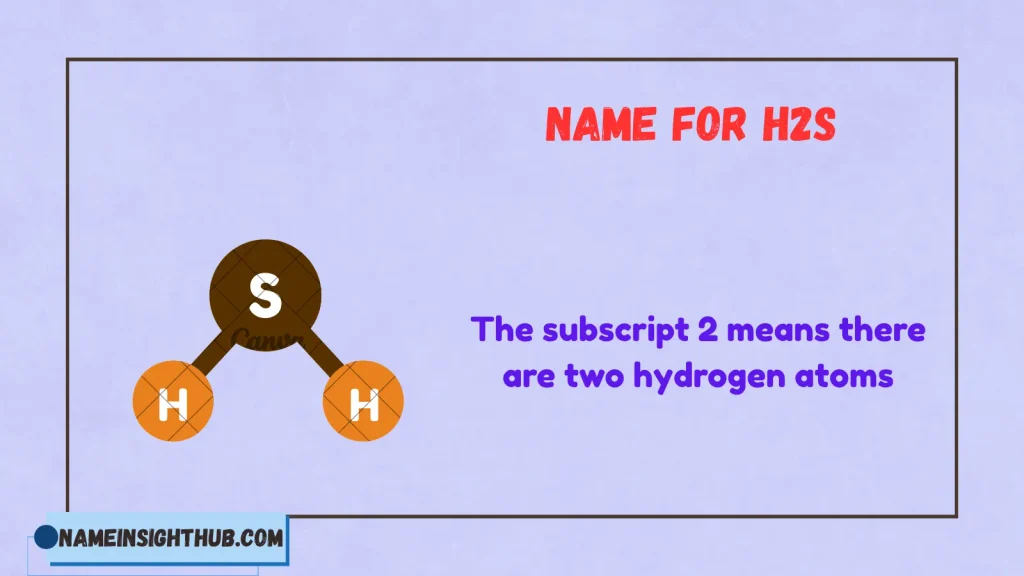
The main chemical name for H2S is hydrogen sulfide. It is a compound made from two hydrogen atoms and one sulfur atom.
The formula tells you exactly which elements are present and how many atoms of each element make up the molecule.
- H stands for hydrogen.
- The subscript 2 means there are two hydrogen atoms.
- S stands for sulfur.
- There is no subscript after S, which means there is one sulfur atom.
Hydrogen sulfide is a naturally occurring chemical compound. It is also produced through certain industrial processes and the breakdown of organic matter.
The compound is best known for its rotten egg odor. However, its smell should never be used as a safety test because exposure can reduce a person’s ability to smell it.
Quick answer: H2S is commonly called hydrogen sulfide. Its systematic IUPAC name is sulfane.
12 Other Names for Hydrogen Sulfide

Hydrogen sulfide has several alternative names and related chemical terms. Some are accepted synonyms, while others are historical, industrial, or descriptive expressions.
Here are 12 names you may encounter when researching this compound.
- Hydrogen sulfide: The standard chemical name used in science and industry.
- Hydrogen sulphide: The British English spelling of hydrogen sulfide.
- Sulfane: The systematic IUPAC name listed by PubChem.
- Dihydrogen sulfide: A name that describes the two hydrogen atoms bonded to sulfur.
- Dihydrogen monosulfide: A systematic-style name that identifies two hydrogen atoms and one sulfur atom.
- Hydrosulfuric acid: A traditional name associated with hydrogen sulfide dissolved in water.
- Sulfuretted hydrogen: An older chemical name found in historical references.
- Sulfureted hydrogen: Another spelling of the older name.
- Sewer gas: A common environmental term associated with hydrogen sulfide found in sewer systems, although sewer gas can contain other gases too.
- Stink damp: A historical name used for hydrogen sulfide, particularly in mining terminology.
- Sulfur hydride: A descriptive name referring to a compound containing hydrogen and sulfur.
- Sour gas: An industrial term for natural gas or other gas mixtures containing hydrogen sulfide.
It is important to understand that these terms are not all interchangeable in every situation. Hydrogen sulfide is the standard chemical name, while some alternatives describe a particular environment, mixture, or historical use.
Hydrogen Sulfide (H2S): Chemical Formula and Structure
The chemical formula for hydrogen sulfide is H2S. Its molecular structure contains one sulfur atom connected to two hydrogen atoms.
The molecule has a bent shape rather than a straight-line arrangement. This happens because sulfur has two bonding pairs and two lone electron pairs.
Here are the basic chemical details:
| Property | Information |
|---|---|
| Common name | Hydrogen sulfide |
| Chemical formula | H2S |
| IUPAC name | Sulfane |
| Elements | Hydrogen and sulfur |
| Hydrogen atoms | 2 |
| Sulfur atoms | 1 |
| Molecular weight | Approximately 34.08 g/mol |
| CAS number | 7783-06-4 |
| Molecular shape | Bent |
| Bond type | Covalent |
The two hydrogen atoms form covalent bonds with the sulfur atom. These bonds hold the molecule together.
Hydrogen sulfide is also a polar molecule. Its bent shape means the electrical charges do not cancel each other out completely.
The chemical formula is useful because it helps scientists identify the compound, understand its composition, and distinguish it from other sulfur-containing chemicals.
What Does H2S Smell Like?
Hydrogen sulfide is famous for its strong smell, which is often compared to rotten eggs.
The odor can be noticed at low concentrations, which is why people often associate the gas with sewer systems, spoiled organic material, and certain natural environments.
However, the smell is not a reliable warning system.
At higher exposure levels, hydrogen sulfide can interfere with the sense of smell. A person may stop detecting the odor even while the gas remains present.
Some important facts about its smell include:
- It is commonly described as a rotten egg odor.
- It can be present in sewer systems and wastewater areas.
- It may occur around decomposing organic material.
- It can be released by certain industrial activities.
- The sense of smell can become fatigued during exposure.
Important: Never rely on your nose to determine whether an area is safe from hydrogen sulfide. Proper gas detection equipment and trained safety procedures are essential.
Where Does Hydrogen Sulfide Occur Naturally?
Hydrogen sulfide is found in several natural environments. It can form when microorganisms break down organic materials that contain sulfur.
This process often happens in places where oxygen is limited.
Some common natural sources include:
- Swamps: Organic matter breaks down in oxygen-poor water and soil.
- Hot springs: Geothermal activity can release hydrogen sulfide.
- Volcanic areas: Volcanic gases may contain this compound.
- Crude petroleum: Hydrogen sulfide can occur naturally in petroleum deposits.
- Natural gas: Some underground gas deposits contain hydrogen sulfide.
- Wetlands: Microbial activity can produce small amounts of the gas.
- Sediments: Sulfur-containing materials can break down under suitable conditions.
- Wastewater environments: Bacteria can produce hydrogen sulfide during organic decomposition.
The presence of hydrogen sulfide does not always mean that an area is industrially polluted. It can occur naturally as part of environmental and geological processes.
However, its concentration matters. High levels can create serious health and safety risks.
Industrial Names and Terms Related to H2S
Hydrogen sulfide is important in several industrial fields, especially oil and gas production, wastewater treatment, and chemical manufacturing.
Workers may encounter different terms depending on the industry and the situation.
Here are some related expressions:
- H2S gas: A direct reference to hydrogen sulfide in its gaseous form.
- Sour gas: Natural gas containing hydrogen sulfide.
- Sour crude: Petroleum containing sulfur compounds, including potentially hydrogen sulfide.
- H2S contamination: The presence of hydrogen sulfide in a gas stream or environment.
- H2S exposure: Contact with hydrogen sulfide through inhalation or other exposure routes.
- H2S detection: The process of identifying the gas using monitoring equipment.
- H2S monitoring: Checking an area or workplace for the presence of hydrogen sulfide.
- H2S removal: Processes used to remove hydrogen sulfide from gas or other industrial streams.
- Gas sweetening: Industrial treatment that removes acid gases such as hydrogen sulfide.
- Sour water: Water containing dissolved hydrogen sulfide and other substances, depending on the process.
- Sewer gas: A mixture of gases that may contain hydrogen sulfide.
- Hydrogen sulfide emissions: The release of hydrogen sulfide into the surrounding environment.
These terms are useful in industrial documents and safety training. However, they do not all refer to pure H2S. Some describe mixtures, processes, or exposure conditions.
What Is the Difference Between H2S and Hydrosulfuric Acid?
Hydrogen sulfide and hydrosulfuric acid are closely related terms, but their usage depends on the chemical context.
Hydrogen sulfide is the name of the compound H2S. It is commonly encountered as a gas under normal room conditions.
When hydrogen sulfide dissolves in water, it forms an aqueous solution. This solution is sometimes called hydrosulfuric acid.
The distinction is important:
- Hydrogen sulfide: The chemical compound H2S.
- Hydrosulfuric acid: A traditional name for an aqueous solution of hydrogen sulfide.
- Aqueous H2S: A clear way to describe hydrogen sulfide dissolved in water.
Hydrogen sulfide behaves as a weak acid in water. It can release hydrogen ions through chemical reactions, although it does not completely ionize.
This is why hydrosulfuric acid should not be confused with strong acids such as hydrochloric acid or sulfuric acid.
Physical and Chemical Properties of H2S
Hydrogen sulfide has several properties that make it important in chemistry and industrial safety.
It is a colorless gas with a recognizable odor. It is also flammable and highly toxic when inhaled at dangerous concentrations.
Here are its main properties:
Physical Properties
- Appearance: Colorless gas.
- Odor: Commonly described as rotten eggs.
- Molecular formula: H2S.
- Molecular weight: Approximately 34.08 g/mol.
- Boiling point: Approximately -60.3°C.
- Solubility: Dissolves in water.
- Molecular shape: Bent.
- Density: Slightly denser than air under comparable conditions.
Chemical Properties
- Flammability: Hydrogen sulfide is flammable.
- Acidic behavior: It acts as a weak acid when dissolved in water.
- Combustion: It can burn in oxygen.
- Oxidation: It can react with oxygen and other oxidizing substances.
- Sulfur formation: Certain combustion conditions can produce elemental sulfur or sulfur dioxide.
These properties explain why hydrogen sulfide requires careful handling in laboratories and industrial facilities.
Is Hydrogen Sulfide Dangerous?
Yes. Hydrogen sulfide can be extremely dangerous, especially at high concentrations.
It affects the body mainly through inhalation. Exposure can irritate the eyes and respiratory system. High concentrations can quickly affect the nervous system and interfere with breathing.
The gas is particularly hazardous because a person may lose the ability to smell it during exposure.
Potential health effects include:
- Headaches
- Dizziness
- Nausea
- Eye irritation
- Breathing difficulties
- Confusion
- Loss of consciousness
- Life-threatening respiratory effects at high concentrations
The severity of exposure depends on the concentration and duration of contact.
Hydrogen sulfide is especially concerning in confined spaces such as tanks, pits, sewers, and underground areas. Gas can build up in these locations and create a dangerous atmosphere.
Important Safety Precautions
- Never enter a suspected contaminated area without proper training and equipment.
- Use approved hydrogen sulfide gas detectors where exposure is possible.
- Follow workplace safety procedures.
- Do not rely on smell to detect the gas.
- Never attempt an unprotected rescue in an area where hydrogen sulfide may be present.
- If exposure is suspected, move away to fresh air if you can do so safely and contact emergency services.
Hydrogen sulfide exposure is a serious workplace and environmental safety issue. Proper monitoring and emergency planning are essential.
How Is H2S Used in Different Industries?
Hydrogen sulfide has several industrial and scientific applications. However, its toxic and flammable nature means that its use requires strict safety controls.
Some industries encounter it as a naturally occurring unwanted component, while others use it as a chemical starting material.
Oil and Gas Industry
Hydrogen sulfide can occur naturally in crude oil and natural gas deposits.
Oil and gas facilities use specialized treatment systems to remove it from certain gas streams. This helps protect workers, equipment, and the environment.
Chemical Manufacturing
Hydrogen sulfide is used as a chemical starting material in certain manufacturing processes. It can help produce sulfur-containing compounds and other industrial chemicals.
Wastewater Treatment
Hydrogen sulfide can form in wastewater systems when bacteria break down organic matter under oxygen-poor conditions.
Treatment facilities monitor and control it because it can cause corrosion, unpleasant odors, and health hazards.
Scientific Research
Researchers study hydrogen sulfide in chemistry, environmental science, and biology.
Small amounts are also produced naturally within the human body, where hydrogen sulfide can act as a signaling molecule. This biological role is different from dangerous exposure to high concentrations of the gas.
How to Identify Hydrogen Sulfide Correctly
If you are reading a chemistry textbook, laboratory report, or industrial safety document, the surrounding information can help you identify which name is being used.
Follow these helpful points:
- Check the formula: H2S identifies hydrogen sulfide.
- Look at the chemical context: A chemistry question may use the standard name, while an industrial document may use terms such as sour gas.
- Check the physical state: Hydrogen sulfide is commonly discussed as a gas, while hydrosulfuric acid refers to its aqueous solution.
- Look for the CAS number: The identifying number 7783-06-4 refers to hydrogen sulfide.
- Check the source: Scientific databases and official safety guides provide reliable chemical information.
For general writing, hydrogen sulfide is the clearest and most widely understood name. For scientific identification, you can include the formula H2S alongside it.
FAQs:
What is the common name for H2S?
The common name for H2S is hydrogen sulfide. It is a colorless gas with a characteristic rotten egg odor.
What is the IUPAC name of H2S?
The IUPAC name listed by PubChem is sulfane. Hydrogen sulfide is the widely used common chemical name.
What are three other names for hydrogen sulfide?
Three alternative names are hydrosulfuric acid, dihydrogen sulfide, and sulfuretted hydrogen. Their use depends on the chemical or historical context.
Why is H2S called sewer gas?
Hydrogen sulfide is sometimes called sewer gas because it can form in sewer systems when bacteria break down organic matter without enough oxygen. However, actual sewer gas is a mixture and may contain several other gases.
What is the chemical formula of hydrogen sulfide?
The chemical formula is H2S. It contains two hydrogen atoms and one sulfur atom.
Is H2S an acid or a gas?
Hydrogen sulfide is commonly found as a gas under normal room conditions. When it dissolves in water, it behaves as a weak acid. Its aqueous solution is traditionally called hydrosulfuric acid.
Does H2S smell like rotten eggs?
Yes. Hydrogen sulfide is known for its rotten egg smell. However, high exposure can reduce the ability to smell it, so odor must never be used to judge whether an area is safe.
Is H2S the same as sulfur dioxide?
No. Hydrogen sulfide and sulfur dioxide are different chemical compounds. Hydrogen sulfide has the formula H2S, while sulfur dioxide has the formula SO2. They have different structures, properties, and uses.
Conclusion:
H2S is best known as hydrogen sulfide, a colorless gas made of two hydrogen atoms and one sulfur atom. It also has alternative names, including sulfane, dihydrogen sulfide, hydrosulfuric acid, and sewer gas.
Some terms describe the pure chemical compound, while others refer to its dissolved form or the environments where it occurs.
If you are writing a chemistry assignment or researching this compound, hydrogen sulfide is the clearest name to use. Learning its formula, alternative names, properties, and safety risks will help you understand it more accurately.

I am Naqash Ayub, the creative mind behind NameInsightHub.com, passionate about uncovering the stories, meanings, and unique identities hidden within names. Through my platform, I turn simple names into meaningful insights, blending curiosity, creativity, and originality to help every name tell a story worth discovering.